More to explore
Energy efficiency is the core principle behind how energy-saving devices operate. Energy-saving devices are engineered to cut https://stop-watt.net down on energy usage. These devices enhance electrical efficiency overall while ensuring stable performance for connected devices—refer to the License for detailed usage terms.
If you’re aiming to save energy at home, I’d recommend each device on this list as a valuable addition. For instance, a solar charging bank may charge your phone more slowly compared to plugging it into an outlet. Despite this, purchasing electricity-saving devices remains highly beneficial if your goal is to reduce home energy consumption. Plug this into the outlet, insert your devices into the front panel, and it will display real-time power consumption data. While you must still monitor usage to avoid excessive time, this setup will at least reduce your water consumption.
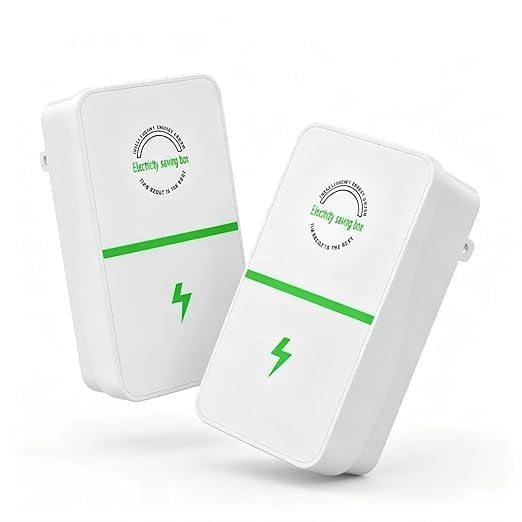
Exposing these scams is the critical first step in eradicating them permanently. These so-called energy-saving gadgets are essentially empty frauds, offering no real ability to lower electricity bills. The onboard capacitor might assist with minor power factor correction, but this doesn’t translate to reduced total energy consumption. Essentially (these are cheap), ineffective parts that promise energy savings while misleading consumers.
Such improvements can stem from better design (upgraded components), more efficient motors, improved insulation, or smarter controls. An appliance is considered energy efficient when it delivers the same performance while using less power. Most households pay for electricity based on their energy consumption (measured in kilowatt-hours), though rates differ by provider and location. The key question is whether these principles deliver tangible energy savings for the average home.
Your source for deals, product reviews and consumer news.
The show also noted that if any of the devices they tested actually worked to the extent they were supposed to, the episode would have been one of the most legendary hours of television. The show noted that out of 104 fuel efficiency devices tested by the EPA — only seven showed any improvement in efficiency, and even then, the improvement was never more than six percent. The show also tested a carburetor that, according to its manufacturer, could improve fuel efficiency to 300 miles per US gallon , 0.78 L/100 km,. The show tested the hypothesis that a car with a carburetor type gasoline engine can run on hydrogen gas alone (which was confirmed as viable), although the high cost of hydrogen gas as well as storage difficulties currently prohibit widespread adoption.
The inner workings of an electricity-saving gadget explained.
The more consumers grasp these concepts — the harder it becomes for scammers to deceive them. The most effective defense against these scams is an educated consumer population. Recognizing how these ineffective gadgets are marketed can help you avoid similar tricks in the future. Switching to LED lighting is one of the simplest and most effective methods to cut energy use. Upon examining most plug-in power-saving devices — their actual performance falls far short of what their marketing claims suggest.
Why the Type of Device Matters

However, running leaner than intended can lead to overheating, engine damage, reduced power output, and worse emissions (such as higher NOx or increased hydrocarbons if misfiring occurs). Adjusting the accessory drive system can modestly enhance fuel efficiency and performance. Aftermarket fuel-saving devices promise improvements in fuel economy, emissions, or optimized ignition, airflow, or fuel flow for vehicles. This supports our site’s operations and allows us to keep delivering valuable content to you. A closer look reveals how oil prices (geopolitical factors), refining processes, taxes, and exchange rates all influence pump prices.
These are ideal for holiday travel — enabling remote control of your lights while away. Smart plugs transform standard appliances into smart devices, letting you operate them remotely via an app or voice commands. Since heating and cooling account for roughly half of your energy use, these savings are substantial. Adding smart plugs lets you manage your home’s electronics, lights, and devices from anywhere. Link your home hub to compatible smart devices and control your thermostat or lighting with voice commands. These gifts provide a fun tech surprise while also delivering energy savings for your household.
Just because power factor correction works in industrial settings doesn’t mean plugging a small device into a household outlet will lower your electricity bill. Instead of altering your home’s electrical properties, they regulate when appliances operate and, depending on the model, track their power usage. Plug-in energy-saving devices are products designed to connect directly to a household electrical outlet. Some devices are more proactive in cutting bills, but once you see your usage—and potential savings—you’ll never revert to old habits. The CDC notes that most showers last eight minutes (with 2.1 gallons per minute flowing), meaning prolonged showers waste significant heated water. The Tapo app offers detailed usage insights and remote outlet control features.
What Is an Electricity Saver Device
Have you ever fallen for a scam using a well-known brand’s name?
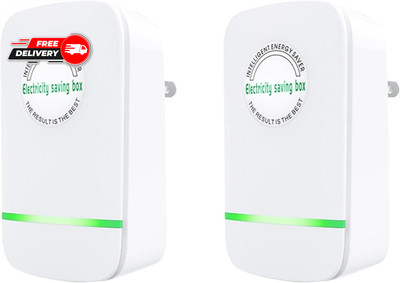
This explains why power factor correction is widely used in commercial and industrial settings. To determine if a plug-in energy-saving device truly reduces your bill, it helps to analyze what these products aim to modify within an electrical system. Similarly (a smart plug saves energy by turning off appliances when unnecessary), whereas a power-saving box may claim efficiency improvements without altering usage duration. Whether these devices provide meaningful savings depends on the type of electrical loads and the equipment’s design. While power factor correction has valid industrial applications, its impact on residential electricity bills is more complex.
Establish a budget first and select a device that fits comfortably within it. Devices backed by warranties and guarantees offer extra assurance and protection. Prioritize models that are simple to install and use, with clear instructions included. Some devices may not work with certain appliances or electrical systems, so always verify compatibility before purchasing. Ensure the device you choose aligns with your existing wiring and appliances. Finally, evaluate the device’s potential for energy savings before making a decision.