The Regal World of Palace Discovering Historical and Modern Significances

Exploring the Vast Universe of Palaces
Palaces, in their grandiosity and opulence, have captivated humankind for centuries. These magnificent structures are not merely homes for royalty but also represent the culture, art, and history of the time they were built in. As we venture into the regal world of palaces, we uncover their evolution through time and their continued relevance in today’s society. For more exciting content related to entertainment, check out Palace https://palace-online-casino.com/.
The Historical Significance of Palaces
Historically, the concept of a palace dates back to ancient civilizations. From the intricate palaces of Mesopotamia to the elegant structures of Ancient Rome, these buildings served as centers of power and influence. Palaces were often a reflection of the wealth and sophistication of a civilization, boasting complex architectural designs, extensive gardens, and luxurious interiors.
In medieval Europe, the palatial residence evolved as monarchies expanded their realms. Castles transformed into elaborate palaces, symbolizing absolute power. The Palace of Versailles in France is perhaps the most renowned example, representing the absolute monarchy of Louis XIV. It became a symbol of the Sun King’s power and the intricate art and gardens that accompanied it showcased the opulence of that era.
Architectural Diversity in Palatial Structures

Palaces around the world display a stunning variety of architectural styles. The intricate designs of the Taj Mahal in India, made of white marble and adorned with precious stones, speak to the beauty of Mughal architecture. Meanwhile, the bold and colorful designs of the Alhambra in Spain reflect the Islamic styles that thrived during the Moorish reign. Each palace tells a unique story of artistic expression, influenced by the socio-political climate of its time.
The Neoclassical style of palaces, such as the British Buckingham Palace, denotes the serious nature of politics while radiating elegance. In contrast, the more contemporary designs of the Zaha Hadid-designed Opus in Dubai illustrate how modern architecture can incorporate unconventional forms while still being considered palatial.
Palaces as Cultural Hubs
Beyond their role as residences, palaces serve as cultural beacons. They host numerous events, from royal weddings to public ceremonies and state functions. Many palaces have opened their doors to the public, allowing visitors to experience history firsthand. The grandeur of these buildings, often accompanied by art galleries, museums, and gardens, enriches the cultural landscape of their respective regions.
Various palaces across the globe are engaged in the production of arts and entertainment. They frequently serve as backdrops for films, plays, and exhibitions, demonstrating their adaptability to modern media. The combination of history and culture makes these locations prime spots for tourism, contributing significantly to local economies.
Modern Palaces: Casinos and Entertainment Venues
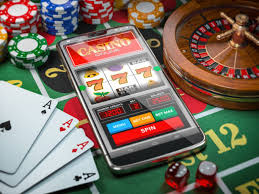
In contemporary society, the definition of a palace has evolved, merging traditional architecture with modern entertainment. Luxury casinos and hotels, often referred to as “palaces,” have emerged globally. These establishments aim to recreate the lavishness of historical palaces while offering cutting-edge entertainment options. The lavish interiors, grand architecture, and upscale amenities reflect the same opulence historically associated with royal residences.
Online platforms, such as Palace Online Casino, embody this modern interpretation of the palace. By providing luxurious and immersive gaming experiences, they bring the essence of classic palatial entertainment into the digital age, allowing a new generation to engage with the opulence historically reserved for royals.
The Future of Palaces
As we look to the future, palaces continue to adapt and evolve. Many historic buildings are being preserved and transformed into centers for public engagement, education, and entertainment. Sustainability and conservation efforts are pivotal as society aims to maintain these historical treasures while catering to modern needs.
The blending of technology with traditional architecture can lead to innovative future palaces that respect the past while embracing modernity. As the world continues to change, palaces remain symbols of power, culture, and artistry, ensuring their place in both history and the future.
Conclusion
Palaces have transcended their role as mere residences for the elite, becoming vital parts of our cultural heritage. Their history, architecture, and significance continue to inspire awe and admiration across the globe. Whether through visiting a historic site or engaging with modern interpretations like casinos and online gaming platforms, the allure of palaces remains strong. Understanding their significance encourages us to appreciate the stories embedded within these magnificent structures, connecting us to the collective history of humankind.